
Before You Bundle Home and Auto Insurance in the Quad Cities: A Coverage-First Checklist
Compare home and auto bundles without overlooking deductibles, flood exclusions, driver changes, life insurance, or liability gaps in your Quad Cities household.
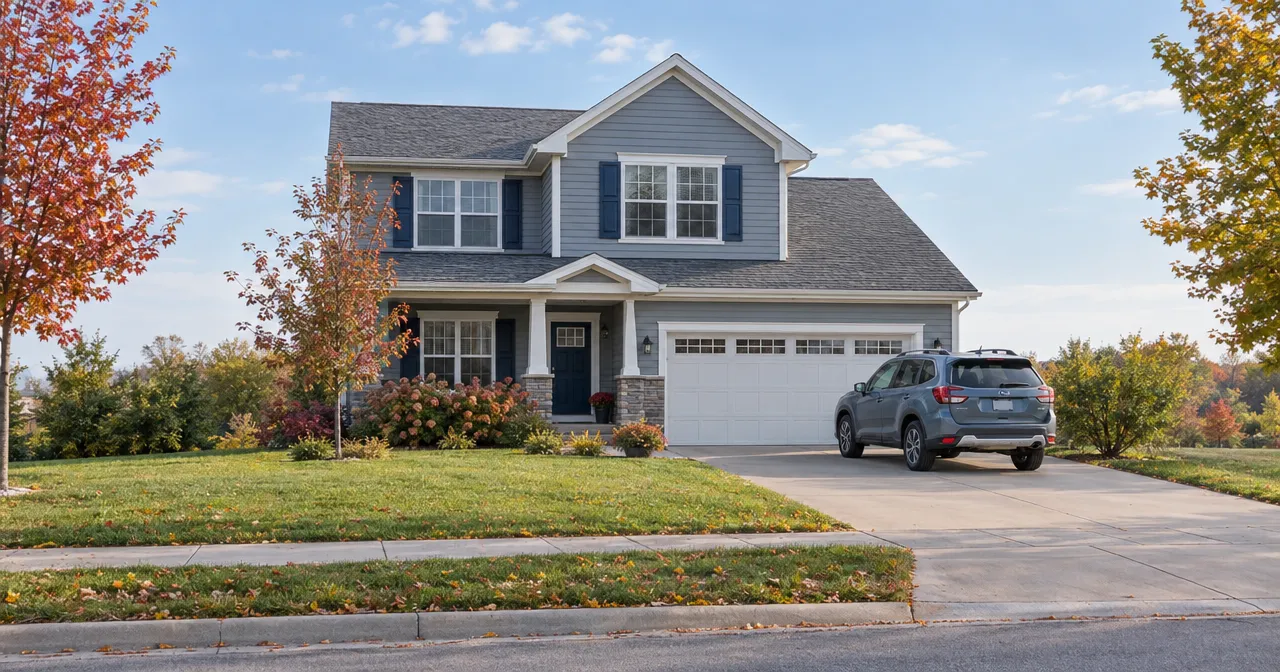
A home and auto insurance bundle can be convenient, but the discount is only one part of the decision. A lower combined premium means less if one quote has a higher wind deductible, a lower auto liability limit, or no coverage for a risk you expected to be included.
That comparison matters when life changes quickly: a family in Moline buys a house, a Rock Island household adds a teen driver, or a Bettendorf couple approaches renewal after a renovation. The right question is not simply, “How much can we save by bundling?” It is, “What will each policy actually do if something happens?”
Here is a practical way to review a home and auto insurance bundle in the Quad Cities, including where life and umbrella coverage fit into the same conversation.
Start with the household you have now
Before comparing premiums, write down what changed since you last selected coverage. Did you move from a rental into a home in East Moline? Replace a roof? Add a second car, a newly licensed driver, or a child? Start renting out a property in Coal Valley? Coverage built around last year's household may not describe this year's property, drivers, or financial responsibilities.
Gather the declarations pages for your current home and auto policies. These pages usually summarize your coverage limits, deductibles, covered vehicles, and endorsements. Put renewal dates beside them. If you are switching insurers, confirm the effective dates of the new policies before canceling the old ones so that a quote comparison does not turn into a coverage gap.
Bundling may bring a multi-policy discount, but the discount and its eligibility can vary. Ask for both the bundled and standalone prices, then compare the coverage behind those prices. The National Association of Insurance Commissioners (NAIC) notes that combining policies may qualify for a discount and recommends comparing quotes for the coverage you need.
On the home policy, look beyond the purchase price
Dwelling limit and rebuilding cost. Your home's sale price is not the same thing as the cost to rebuild it. The dwelling limit should be reviewed against the home's construction, size, materials, and current rebuilding estimate. Tell the agent about additions, a finished basement, or other substantial work. If two bundle quotes use different dwelling limits, ask why before comparing their premiums.
Also ask whether the dwelling and personal property are settled on a replacement-cost or actual-cash-value basis, and whether special conditions apply to an older roof. Actual cash value accounts for depreciation; replacement-cost settlement is subject to the policy's terms and may involve conditions or limits. The NAIC homeowners insurance overview is a useful starting point for these distinctions.
Wind and hail deductible. Compare the all-perils deductible with any separate wind or hail deductible. Some quotes express a deductible as a percentage of the insured dwelling limit rather than a fixed dollar amount. For example, a 1% deductible on a hypothetical $400,000 dwelling limit is $4,000—not $400. Ask which deductible applies to roof damage, and read any roof-surface or cosmetic-damage provisions before deciding that two quotes are equivalent.
Water backup versus flood. A backed-up drain or sump pump and rising water from outside are different coverage questions. Standard homeowners insurance generally does not cover flood damage; flood insurance is typically a separate policy, while water-backup protection may be offered through an endorsement. Do not assume one substitutes for the other. Ask about exclusions, coverage limits, deductibles, and effective dates. FEMA's flood insurance guidance notes that a new NFIP policy generally has a 30-day waiting period, with exceptions. That makes a last-minute check shortly before a storm a poor substitute for a review at purchase or renewal.
Belongings, detached structures, and living elsewhere. Check the limits for personal property, a shed or detached garage, and additional living expenses if a covered loss makes the home unlivable. Jewelry, collections, and certain other valuables can have special limits. Write down anything you would be surprised to find capped or excluded, then ask whether a different limit or endorsement is appropriate.
On the auto policy, compare the driver and the risk—not just the car
Start with liability limits: these pay for covered injuries or damage you cause to others, subject to the policy. A cheaper quote with lower limits is not an apples-to-apples comparison. Then compare uninsured/underinsured motorist coverage, medical-related coverages, and the deductibles for damage to your own vehicle. The NAIC's auto insurance guide explains the main coverage categories.
Collision and comprehensive answer different questions. Collision generally addresses damage to your car from a crash; comprehensive generally addresses covered non-collision events such as theft, hail, or a falling object. A Bettendorf driver with a paid-off car might choose different deductibles than a Moline driver whose lender requires certain physical-damage coverage. The key is to compare what you would pay after a loss, not only what you pay each month.
Confirm that the quote reflects every vehicle and regular household driver. A newly licensed teen, a student away at school, a changed commute, or a vehicle used for deliveries can change the conversation. Ask about permissive drivers and business use instead of assuming an auto policy covers every way the vehicle is driven. If you have a motorcycle, RV, boat, travel trailer, or antique vehicle, ask about an appropriate separate or specialty policy rather than treating the home-and-auto bundle as blanket protection.
Add life and umbrella coverage to the household review
A home purchase or new child changes more than your property values. It can also change who depends on your income. Life insurance is a separate decision from home and auto coverage, but the same review is a good time to ask what would happen to a mortgage, childcare costs, or other ongoing expenses if an income earner died.
List existing employer and individual life coverage, the people who rely on that income, and any major debts. Compare term and permanent life insurance for the role each might serve rather than assuming one fits every family. Review beneficiaries after marriage, divorce, a birth, or a death; the beneficiary listed on a policy may matter more than what you intended years ago. The NAIC life insurance overview outlines policy types and beneficiary considerations. Annuities can be discussed separately for longer-term financial goals; they are not a substitute for checking the household's immediate life insurance needs.
An umbrella policy is another distinct piece: it can add liability protection above qualifying underlying home and auto policies, subject to exclusions and required underlying limits. If you host gatherings, have a young driver, own a rental, or simply want to review your potential liability exposure, ask how an umbrella would interact with your existing policies. The NAIC's umbrella policy guide explains that an umbrella is supplemental, not a replacement for adequate home or auto coverage.
Compare two bundle quotes on the same page
A useful quote comparison is a short worksheet, not a single premium number. For each option, record:
| Question | What to write down |
|---|---|
| Home | Dwelling limit, valuation method, personal property limit, wind/hail deductible, and water-backup option |
| Auto | Liability and uninsured/underinsured motorist limits, vehicles and drivers, collision/comprehensive choices, and deductibles |
| Other protection | Flood policy status, valuable-items limits, umbrella terms, and whether life coverage needs a separate review |
| Cost and timing | Annual premium, payment schedule, applicable discounts, policy effective dates, and what changes at renewal |
Suppose one hypothetical bundle is $200 less per year but has a $4,000 wind deductible, while another uses a $1,500 deductible. That difference alone does not tell you which is better: the policies may differ in dwelling limits, roof settlement terms, and your ability to absorb an out-of-pocket loss. It does tell you what to ask next. Request a written comparison of the major limits and exclusions before making a decision. Illustrative figures are not a quote or a prediction of savings.
Example: buying in Moline. A buyer has an accepted offer, an existing auto policy, and a lender that needs proof of homeowners coverage. First compare the proposed dwelling limit with the home's rebuilding estimate, then inspect wind/hail terms and ask about water backup. Check whether the auto quote preserves the liability and physical-damage protection the buyer wants. If flood coverage is under consideration, ask about the separate policy and its effective date early in the closing process. Only then compare the combined price with keeping the current auto policy.
Example: adding a driver in Rock Island. A household already bundles home and two cars, but a teen begins driving a third. Update the insurer with the driver and vehicle information and ask for revised auto limits, deductibles, and premiums. Check whether the change affects eligibility for discounts. This is also a sensible moment to consider umbrella limits and to revisit life beneficiaries if other family changes have occurred. The fact that the existing policies are bundled does not mean the new driver is automatically reflected on the coverage documents.
A few ownership changes deserve separate questions. Moving from renters insurance into homeowners insurance is not just a change of address. A condo owner should understand what the association's master policy covers and what remains theirs to insure. A rental house may need landlord coverage rather than an owner-occupied homeowners policy; a vacant home can raise different eligibility and coverage questions. If you begin using a vehicle for your business or hire someone to drive for work, ask about commercial auto and other business insurance options rather than assuming a personal bundle extends to business operations.
Make the review repeatable
Try a coverage check before closing on a home, when you add a driver, after a major renovation, when you acquire a rental, and a few weeks before renewal. Bring your current declarations pages, mortgage or lender requirements, a list of drivers and vehicles, recent home improvements, and questions about any new valuables or recreational equipment. If you are comparing a proposed quote with an existing policy, point out the differences you want explained in plain language.
The David Williams Agency serves households in Moline, Rock Island, East Moline, Coal Valley, Bettendorf, and nearby Illinois and Iowa communities. Our local team can walk through a home and auto comparison, identify questions about coverage gaps, and include life or umbrella options when they fit the household. For general questions or a complimentary review of current coverage, contact the team. Policy terms, availability, discounts, and eligibility depend on the insurer and the individual policy.